Berries & 9 Other Best Anti-Inflammatory Foods


Borrowed from my bestie, Martha Stewart, here are two article's worth of info condensed for you with links to the originals at the bottom to keep me from getting sued. Yum! This article contains affiliate links. I may make a small commission, but you won't pay a penny more.
Quick Answer: What foods are best for anti-inflammatory health benefits?
Berries, avocado, dark chocolate, fatty fish, green tea, leafy greens, nuts, olive oil, tomatoes and turmeric.
Q: What does anti-inflammatory mean and why is it good for your body?
A: According to DuckDuckGo Search Assist, based on the sources cited:
Anti-inflammatory refers to substances that reduce inflammation, which is the body's response to injury or infection. It is beneficial because it helps alleviate pain, swelling, and redness, and can prevent chronic diseases linked to prolonged inflammation, such as heart disease and arthritis.
According to a Martha Stewart online article by Kirsten Nunez published on May 29, 2026, nutrition experts recommend making smart eating choices to avoid or reduce inflammation. The reason is that inflammation can increase the risk of chronic conditions, including type 2 diabetes, cancer, and heart disease. It can also contribute to inflammation of the brain and spinal cord, potentially leading to disorders like Alzheimer’s disease.
Berries come out on top for reducing inflammation. Why? "Berries have some of the highest antioxidant activity compared to other fruits," says Roxana Ehsani, MS, RD, CSSD, LDN, sports dietitian and adjunct instructor at Virginia Tech, as quoted in Martha's article. They also contain a diverse profile of antioxidants, including anthocyanins and vitamin C. Martha's article takes a semi-deep dive into anthocyanins which bored me, so I didn't include all that. If you want to read more about that level of detail, DuckDuckGo it or read the full article linked at the bottom.
An expert quoted in the original article suggests aiming for one or two cups of berries per day for a healthy dose of antioxidants, vitamin C, and fiber, They pointed out in particular blueberries, strawberries, raspberries, cranberries and blackberries so you can easily rotate them and not burn yourself out on any one. I personally plan on combining some with Greek yogurt and oats for healthy, filling and not that expensive overnight oats.
See Also: Jackie Kennedy's Fave Berry Dessert
The other article, with all ten best anti-inflammatory food choices is also by Kirsten Nunez and was published on January 13, 2026. And this is where it gets fun. With the exception of olive oil, none of them are all that cost prohibitive and they're easy to find and pretty darn good, like dark chocolate.

Dark Chocolate
Satisfy your sweet tooth while fighting inflammation. Bonus! Dark chocolate contains a type of antioxidant which works against inflammation. Good for you stuff in the delicious treat can even promote the growth of "good" gut bacteria, causing an anti-inflammatory effect in the body.4 Mixing dark chocolate with berries in your own dessert creations would double the impact. And taste divine.
Avocado
Whether you prefer avocado spread on toast, mashed into guacamole, or blended in a smoothie, eating the creamy fruit will help manage inflammation. Avocados are rich in omega-3 fatty acids, which help fight inflammation. Plus avocados are a good source of vitamin E. Avocado oil offers these same benefits, giving you another way to reap the food's inflammation-busting benefits. Try using it in homemade vinaigrettes or high-heat cooking methods, such as roasting. And now I'll have to price check avocado oil versus olive oil because I personally despise avocados and can't afford olive oil.
Fatty Fish
Inflammation is no match against fatty fish, from briny sardines to savory salmon. The lean protein contains omega-3 fatty acids, which have an inflammation-lowering effect. Omega-3 fats can even change the composition of cell membranes and prevent pro-inflammatory mechanisms from being activated in the first place, an expert quoted in Martha's article claims. The American Heart Association recommends eating two 3-ounce servings of fatty fish per week, which you can easily do with tasty dishes like salmon patty wraps.5

Green Tea
Green tea is light, refreshing and contains antioxidants, and is particularly powerful against inflammation, as it's known for protecting cells from free radical damage. Do note: Green tea contains caffeine, so be mindful if you're sensitive to it or if you're drinking it later in the day.
Leafy Greens
For a generous boost of anti-inflammatory nutrients, eat more leafy greens like spinach, kale, and arugula. They're rich in vitamins A, C, and K, all of which help fight inflammation in the body. Leafy greens are also high in antioxidants like lutein and beta-carotene, known for reducing inflammation caused by free radicals in the body.
Nuts
Almonds, pistachios, macadamia nuts, and pine nuts are especially high in good stuff according to Martha's article. To take advantage of these anti-inflammatory nutrients, toss a few nuts into your next snack or salad, or use nuts to coat your go-to protein. I guess they're talking about crushed nuts as a coating.
See also: Nuts, Yum
Olive Oil
In case you need another reason to drizzle olive oil on your next salad or sandwich, the ingredient is particularly helpful in quelling inflammation. It can be, well is, extremely expensive so I personally will be looking into avocado oil as a substitute. If you can afford it, go for it!
Tomatoes
Whether pureed into tomato sauce or tossed in a salad, tomatoes are an anti-inflammatory food worth adding to your recipes. They contain lycopene, a powerful antioxidant that controls inflammation by reducing the formation of pro-inflammatory molecules in the body.7 They are also rich in vitamin C, potassium, and beta-carotene, all of which help fight inflammation and prevent disease according to experts.
Turmeric
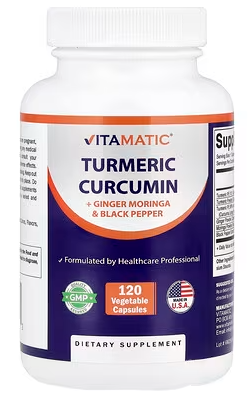
Turmeric is another anti-inflammatory ingredient that deserves a shout-out.8 This is due to curcumin, the main component in the spice. Not only does curcumin give turmeric its iconic yellow color, but it offers potent anti-inflammatory and antioxidant properties, as well.9 One of the best things I learned from this particular article is that curcumin has poor availability, meaning it's poorly absorbed and quickly metabolized and excreted from the body. Fortunately, Martha's quoted expert says combining curcumin with black pepper resolves the problem, as it significantly increases the bioavailability of curcumin in the body. I'm thinking bioavailability means your body's ability to absorb and use it.
Articles used for source material:

While you're eating healthier, make sure you're taking care of your skin, too. Skin So Soft has so many benefits beyond just moisturizing and given you a healthy glow. Check out Skin So Soft and treat yourself at my online Avon shop. Bonus size available and you might just be lucky enough to catch it on sale!


Comments